
Research
School of Education faculty and programs generated nearly $38.5 million in new sponsored funding for fiscal year 2025, representing 7% of the annual total $567 million awarded to VCU researchers. That includes schools across the university’s Monroe Park, Medical College of Virginia and Qatar campuses.
Delivering critical answers to today’s tough questions
School of Education faculty are advancing practical solutions to urgent questions facing schools and communities. Their work examines, for example, how to strengthen meaningful collaboration between educators and speech-language pathologists, how teachers can help students connect disciplinary learning to their cultural and everyday language practices, and how leaders navigate political climates that shape equity-focused decision-making. Together, these insights inform policy, shape classroom practice and strengthen systems that support students and families. Check out a select cross-section of publications and outreach in the past year.
- Chin-Chih Chen and Yaoying Xu (with Jamie Cage and colleagues) – “Assessing Young Children’s Social-Emotional Development Through the Lens of Social-Cultural Ecological Systems” (Early Child Education Journal, January 2025).
Critiques standardized assessments that overlook cultural context and proposes a social-cultural ecological framework that better reflects children’s lived developmental environments. - Daniel Gutierrez – “Spiritual Competency Training in Mental Health and Multicultural Orientation and Contemplative Awareness: An Evaluation of Two Training Approaches With Psychotherapists” (Psychotherapy, 2025).
This randomized trial compared two online clinical training models and found both substantially improved counselors’ spiritual competence, with cultural humility emerging as a key mechanism of change. Published in a high-impact clinical practice journal. - Kaitlin Hinchey (co-authored with Ph.D. student Morgan Meadowes) – “Don’t Say Gay: Preparing School Counselors to Support LGBTQ+ Students in Unsafe School Environments” (Journal of LGBT Issues in Counseling, 2024).
Proposes an Ecological Social Justice School Counseling approach to help school counselors continue advocating for LGBTQ+ youth. - Wendy Rodgers and Christine Spence (with alum Imani Evans) – “A Systematic Literature Review on School-Based Speech-Language Pathology Collaboration Research” (Language, Speech and Heating in Schools, 2025).
Reviewing 26 studies, the authors found strong professional value placed on school-based collaboration, but significant structural and role-related barriers that limit consistent implementation. - Naomi Wheeler (second author) – “A Latent Profile Analysis of Relationship Satisfaction and Self-Regulation Among Low-Income Participants Who Attended Relationship Education With a Partner” (Family Process, 2025).
Using person-centered analysis, the study identified distinct relationship/self-regulation profiles that predicted differential outcomes from relationship education – suggesting the need for flexible, tailored program models.
- Genevieve Siegel-Hawley – Congressional Testimony, U.S. Subcommittee on Early Childhood, Elementary and Secondary Education (May 2025). Highlighted how charter schools can either reduce or heighten segregation depending on whether civil rights safeguards are in place. Emphasized the harms of segregated schooling, the benefits of racially diverse schools, and the need for stronger federal oversight and design of school choice policies to ensure equitable access and outcomes.
- Andrene Castro (with Ph.D. student April Hewko) – “The Right Kind of Leader: Neoliberal Antiracism and DEI Educational Leadership” (Race Ethnicity and Education, April 2025).
Shows how DEI leaders – often Black educators – are symbolically positioned to legitimize institutional agendas while lacking structural authority to enact systemic change. - Andrene Castro and Phelton Moss – “Timeless Lessons From Civil Rights Teachers” (ASCD, February 2025).
Draws on narratives from Civil Rights–era educators to illustrate historically grounded, justice-centered pedagogical approaches relevant to today’s schools. - Andrene Castro (with Ph.D. student Ashley Pointer) – “Is Teacher Morale Race-Neutral? Exploring Morale Among Teachers of Color” (Equity & Excellence in Education, 2025). Using open-ended survey data and a multidimensional model of morale, the study examines how teachers of color navigate racialized school environments. The authors challenge race-neutral assumptions in morale research and identify personal, school, and professional factors shaping morale, offering implications for policies that better support and retain teachers of color.
- Christine Lee Bae and Kamil Hankour – “Middle School Science Talk: Coupling Natural Language Processing With Classroom Video Analyses to Explore Discursive Resources in Hybrid Spaces” (AERA Open, January-February 2025).
Combining NLP with qualitative video analysis, the study shows how teachers foster hybrid discourse that connects disciplinary content with students’ everyday language practices. - Christine Lee Bae and John Fife – “Supporting Student Voice in Science Classrooms: The Limits of Psychosocial Approaches and the Importance of Sociocultural and Critical Perspectives on Student Agency” (Educational Psychologist, 2025).
Argues for expanding beyond individual-level agency models to frameworks that account for cultural, historical and structural inequities in science learning environments. - Kurt Stemhagen – “Democracy on the Sidelines: The Erosion and Potential of Youth Sports as Democratic Education” (AERO Open, 2025).
Argues that privatization and performance pressures have eroded youth sports’ capacity for civic development and proposes reforms to re-center democratic participation and inclusion. - Kamden Strunk – “Querying Queer Quantitative Educational Research: A Systematic Literature Review” (Educational Review, 2025).
Reviewing 55 studies, the authors find limited engagement with queer theory and focus on race, calling for more race-conscious and theoretically rigorous quantitative queer research. - Tzu-Wei Wang (with graduate co-authors) – “Navigating STEM Careers With AI Mentors: A New IDP Journey” (Frontiers in Artificial Intelligence, October 2024).
Finds that AI-supported mentoring can improve access to timely career guidance, but only when paired with safeguards and hybrid human–AI advising structures.
- Ross Collin – Literature and Ethics in High School English Classes (Bloomsbury, 2024).
Focuses on ethical reasoning in secondary school to help students explore their own and others’ moral beliefs. - Luciana de Oliveira – “Using AI-Generated Mentor Texts for Genre-Based Pedagogy in Second Language Writing” (Journal of Second Language Writing, 2025).
Demonstrates how AI-generated sample texts can support genre learning for multilingual writers while emphasizing the need for careful scaffolding to avoid reinforcing dominant language norms. - Elizabeth Edmondson – “Protocols as a Mechanism of Care: Helping Novice Science Educators” (chapter in Entry Into a Brave New World, July 2024).
Examines how structured professional learning protocols can help early-career science teachers build supportive, caring networks. Drawing on an induction model for Noyce-funded novice teachers, the chapter shows that intentionally designed routines can foster belonging, reduce isolation and support retention in high-need school settings. - W. Monty Jones (with Katherine Hansen, Michael Schad, Nakisha Whittington & Xun Liu) – “Digital Music Composition: The Effects of Computer Coding Musical Compositions on Adult Learners’ Attitudes Toward Computer Science” (Computer Science Education, November 2024).
Used TunePad programming environment to engage adult learners in coding through music composition. Survey and interview data showed that creating music through code significantly improved participants’ attitudes toward computer science, suggesting that arts-integrated approaches could expand access and interest among adult learners new to computing. - Gabriel Reich and Hillary Parkhouse – “Critical Historical Inquiry: A Meta-Ethnography of Researcher Frameworks, 2000–2022” (Theory & Research in Social Education, June 2025).
Analyzes 40 studies of critical historical inquiry in secondary history classrooms across two decades to identify how CHI encourages students to develop critical historical consciousness by examining inequality through counter-narratives. Shows how this approach can re-engage marginalized students by linking historical study to civic identity and agency.
$1.7M federal grant supports STEM learning for middle schoolers
 Enhancing science learning opportunities for historically marginalized middle school students is the focus of a $1.7 million federal grant. The project integrates scientific discourse with students’ everyday experiences, while leveraging technology for a more inclusive approach to science education. “Hybrid2: Creating Equitable Spaces for Science Discourse in Blended Learning Environments” is funded by a division of the U.S. Department of Education.
Hybrid2 represents an interdisciplinary research practice partnership uniting internationally recognized scholars, nonprofit organization leaders and K12 educators. The project will take place in Virginia and Michigan middle schools, focusing on students who historically have had limited access to high-quality STEM education.
“Science is more than facts and formulas; it’s a critical lens for understanding the world — and when students see their lives reflected in that lens, it becomes transformative,” said Christine Lee Bae, Ph.D., associate professor in the Department of Foundations of Education and project PI. “Our responsibility as educators is to make the science classroom a place where every student feels seen, valued and capable of shaping the future.
The Hybrid2 project will take place in Virginia and Michigan middle schools, focusing on students who historically have had limited access to high-quality STEM education.
VCU earns grants to research employment of individuals with disabilities
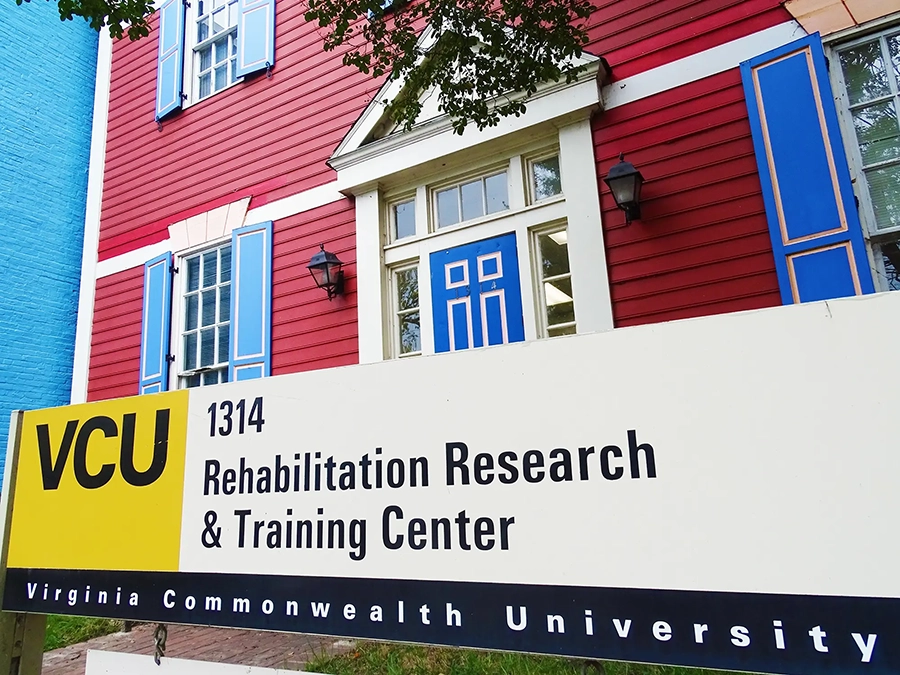 Our Rehabilitation Research and Training Center received two awards totaling $8.8 million for research on employment for transition-age youth with disabilities and employment among people with intellectual and developmental disabilities. Each $4.4 million award is from the National Institute on Disability, Independent Living and Rehabilitation Research within the U.S. Department of Health and Human Services .
Project REAL to build cultural competence for emerging educators
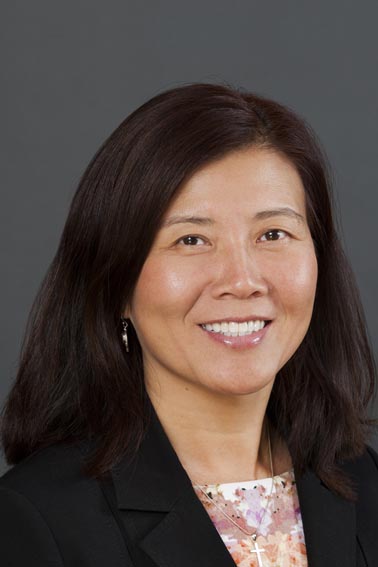 VCU researcher Yaoying Xu, Ph.D., has received a federal leadership grant for a new project that will train doctoral candidates in cultural competence and cultural humility as they prepare to begin a career in higher education as faculty members and leaders in early intervention/early childhood special education (EI/ECSE).
The five-year, $1.2 million grant from the Office of Special Education Programs in the U.S. Department of Education will support Project REAL, which stands for Preparing Responsive and Effective Advocate Leaders in EI/ECSE.
“Project REAL addresses the need for special education faculty and leaders who are culturally responsive, with integrated knowledge and skills in early childhood socioemotional research, effective teaching practice and policy implementation,” said Xu, Ph.D., a professor in the Department of Counseling and Special Education.
Preparedness to support student mental health varies
With student mental health needs in PK-12 schools on the rise, a new study by a partnership of Richmond-area school districts and our School of Education investigated how prepared local school employees feel to meet those needs. Conducted by the Metropolitan Educational Research Consortium, “PK-12 Faculty and Staff Capacity to Support Student Mental Health” found that professional capacity to provide support can vary across positions and school contexts.

Debunking Classroom Myths
Research associate professor Elizabeth Edmondson, Ph.D., and curriculum specialist Suzanne Kirk, both in the Department of Teaching and Learning, teach a course that explores “lessons” we may have learned – and how we might adjust our thinking. They shared some insights from their course Debunking Classroom Myths: How and Why Do We Learn Ideas Incorrectly?
Safeguarding students from school employee sexual misconduct
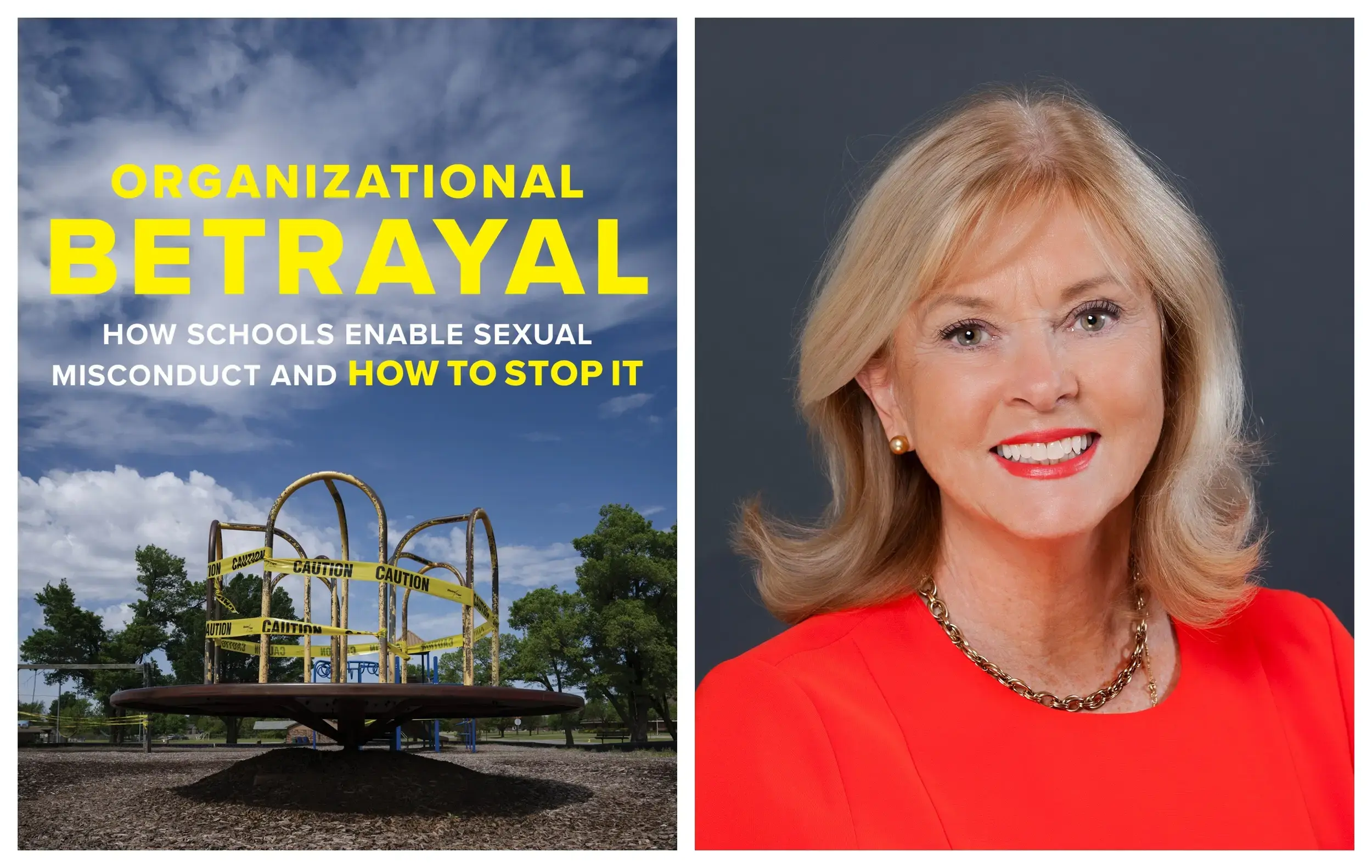
Charol Shakeshaft has been studying equity in schools for more than four decades. Her latest book, “Organizational Betrayal: How Schools Enable Sexual Misconduct and How to Stop It,” presents data from over 200 cases of school employee sexual misconduct toward a student, and it examines school cultures, decisions and practices – all with the goal of preventing the abuse of students by school employees.
Dyslexia Symposium focuses on empowering underserved students
The School of Education’s annual Dyslexia Symposium in November focused on challenges faced by underrepresented minorities with dyslexia. The event featured a keynote by Winifred A. Winston, founder of Dyslexia Advocation, and a series of expert-led breakout sessions.

Politics and Education mix in national election season
Public education and politics have long been in the electoral spotlight – often at the state and local levels, where legislatures and school boards wield considerable influence. But presidential elections can bring the two together as well.
Jonathan Becker, J.D., Ph.D., associate professor of educational leadership, provided context on the intersection of those subjects.
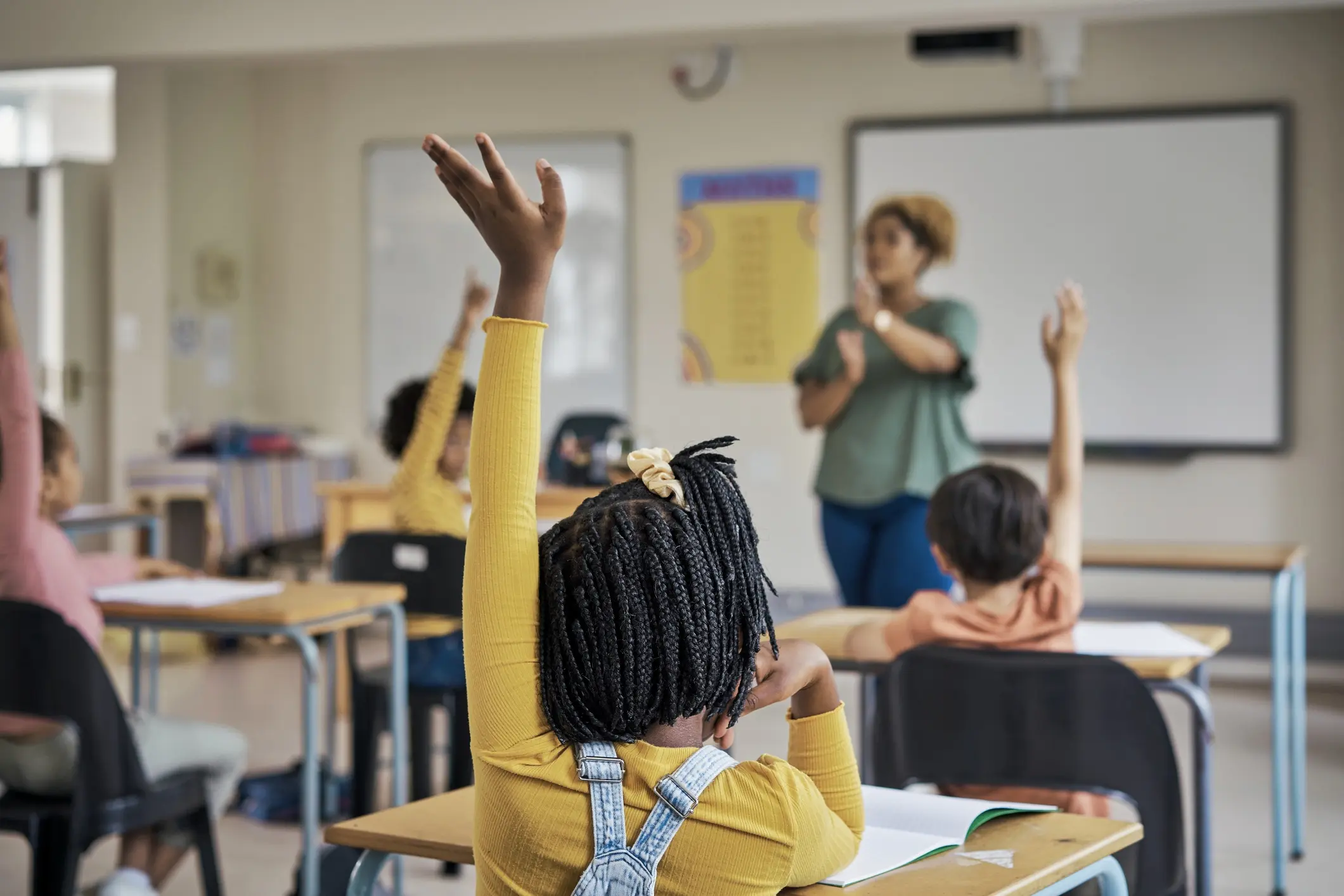
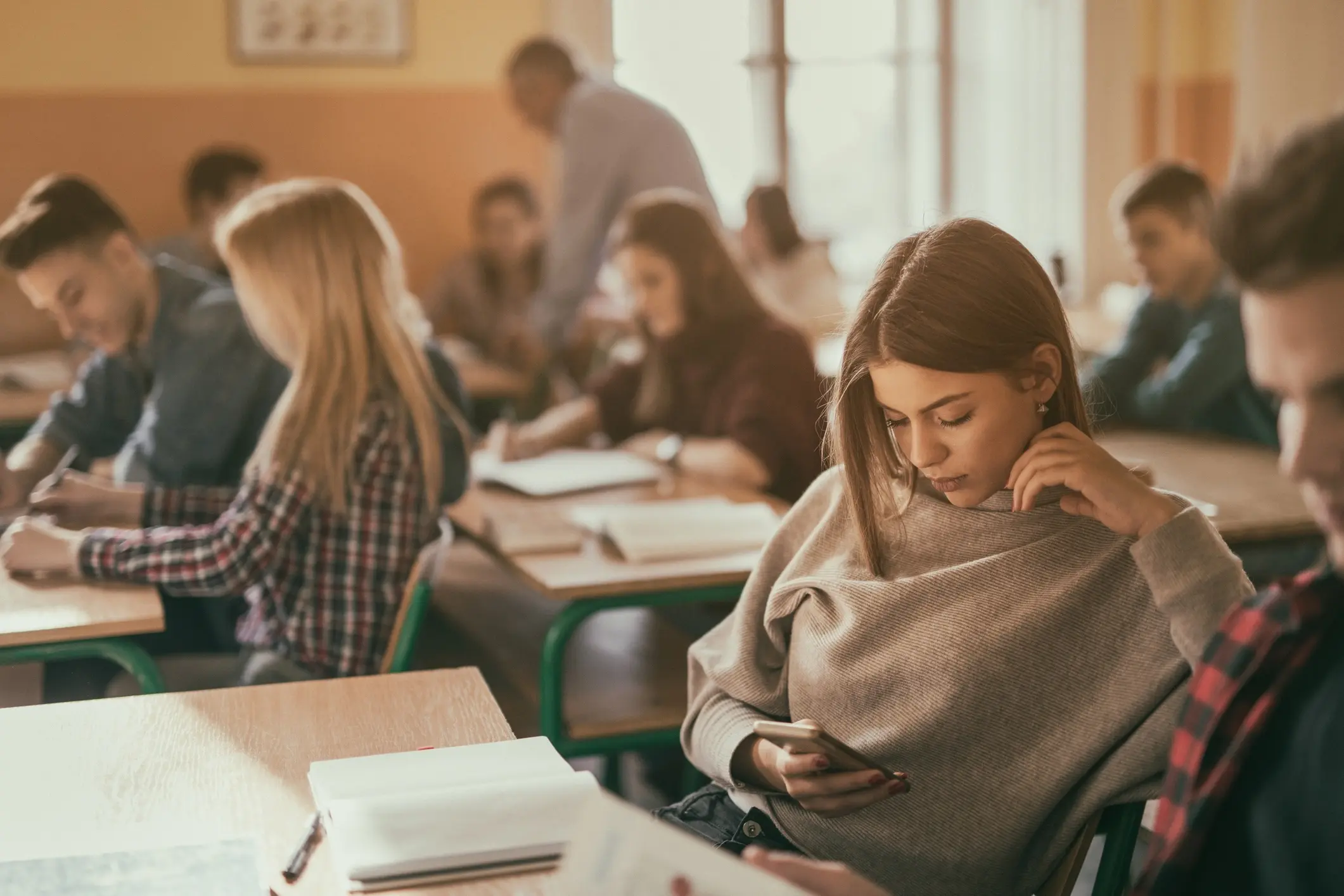
What is the impact of cellphones in schools?
As technology continues to expand, the role of cellphones in schools intersects strongly with other issues in education – including pressure on teachers, expectations of parents and how to best educate today’s students amid the long shadows of the pandemic.
Jesse Senechal, Ph.D., executive director of the Institute for Collaborative Research and Evaluation, outlined complexities in the debate – and the importance of teachers’ voices.
Scholars bring life to stories from the field
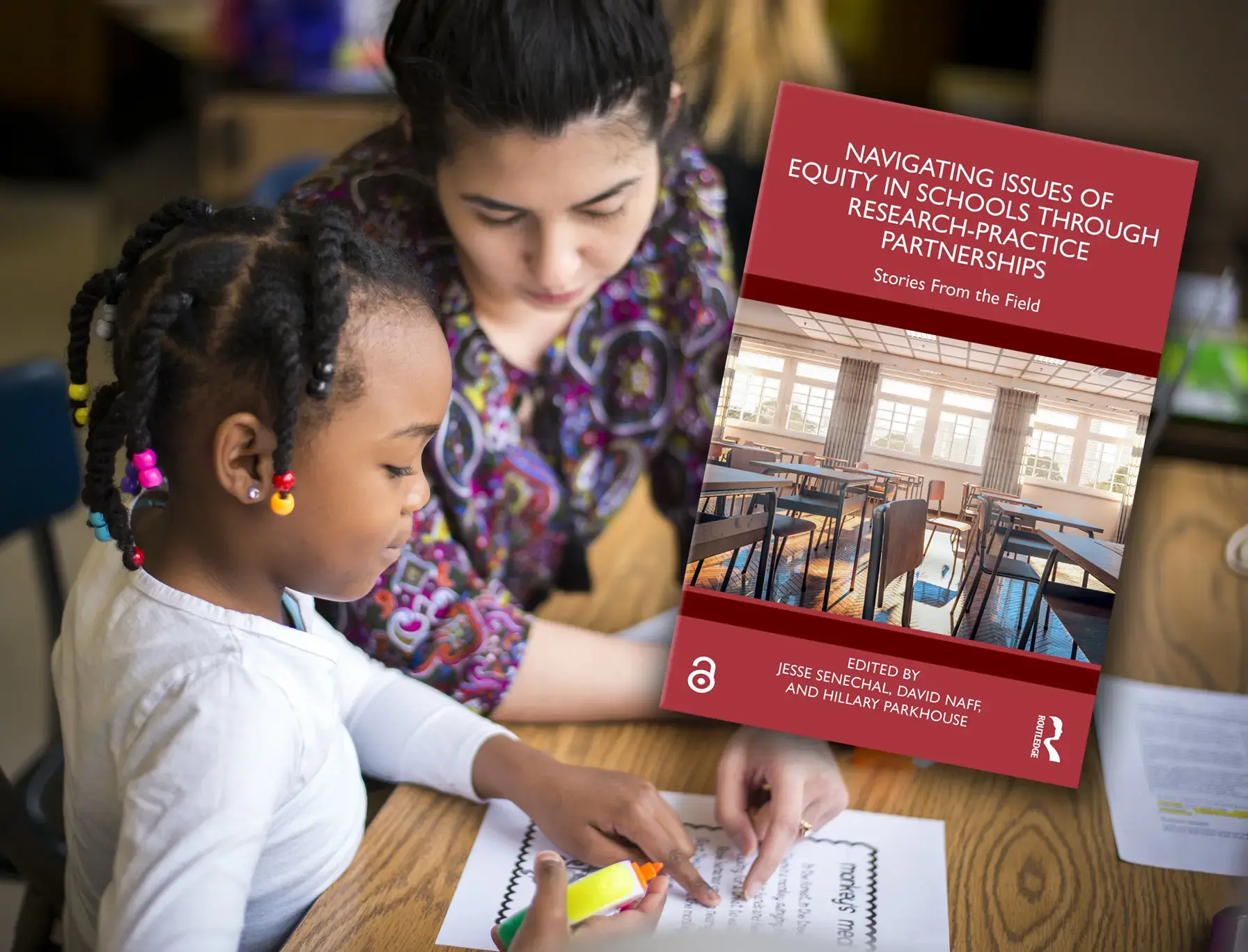
A new book co-edited by three VCU educators provides practical insights into how researchers and educators can work together for student success. In the field of education, RPPs – research-practice partnerships – are crucial collaborations that help test methods, in real-world settings, that can improve student outcomes and shape education policy.
Richmond preschoolers are powered by STEAM
Developed by our School of Education, Project STEAM embodies the spirit of learning for all ages and all stages: It aims to strengthen the skills of Richmond preschoolers – and prepare them for elementary school and beyond – by sparking interest in science, technology, engineering, arts and mathematics.

Education team reaches finals of Global Sustainability Challenge
A School of Education team was named a finalist in the 2024 Global Sustainability Challenge, a competition designed to inspire and empower students to tackle the impact of climate change within their local and global communities.
John Fife, Ph.D., director of the Center for Innovation in Science, Technology, Engineering and Math Education and doctoral student Margaret Gatongi partnered with São Paulo State University in Brazil and Colorado State University-Pueblo to submit a proposal that focused on coastal ecosystems.

$3.8M to advance gender diversity in STEMM
VCU’s Institute for Women’s Health is the sole recipient of a five-year grant that aims to enhance gender equity initiatives in the science, technology, engineering, math and medicine workforce. Titled the VCU National Coordinating Center for Advancing Gender Inclusive Excellence, the $3.8 million grant will support the creation of a national repository of resources and strategies to overcome systemic gender-based inequities impacting the biomedical sciences academic and research workforce.

Inclusive ACE-IT in College earns first-in-Virginia accreditation
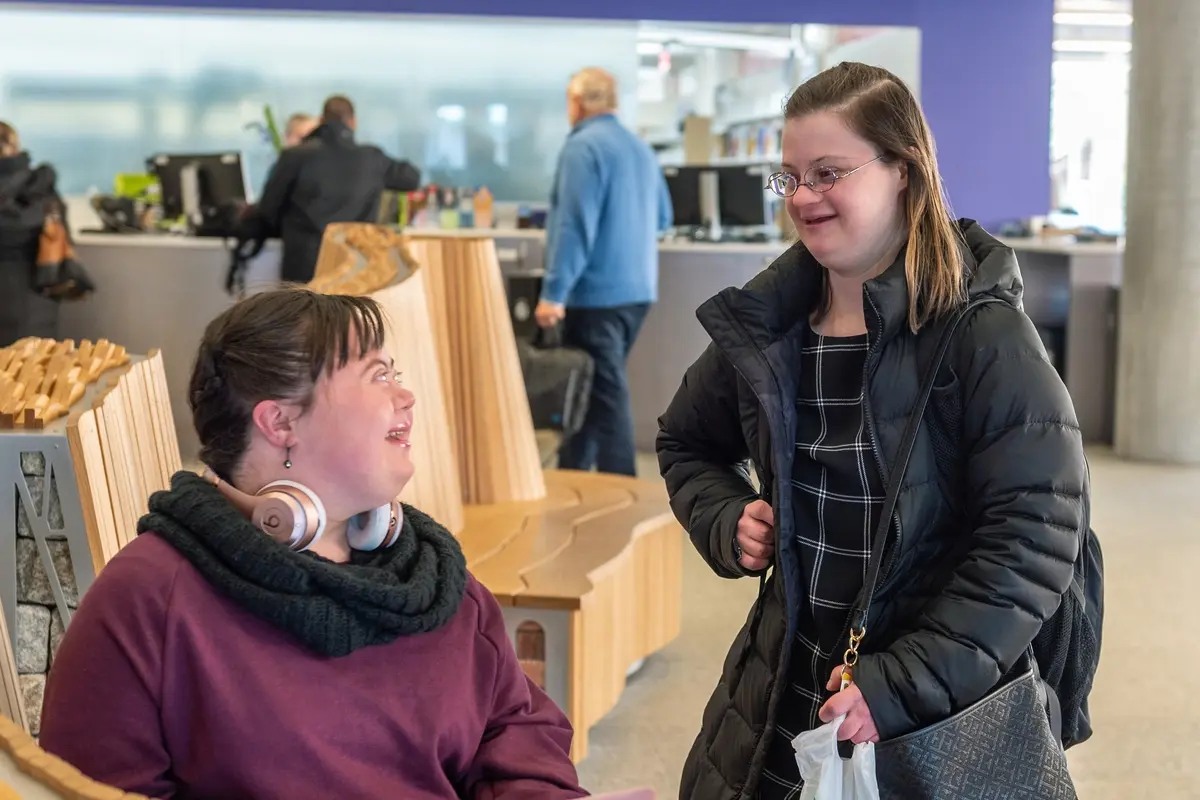
VCUs ACE-IT in College has become the first accredited college program in Virginia – and third nationally – for students with intellectual disability. Students in the two-year certificate program offered, through the School of Education and its Rehabilitation Research and Training Center, take VCU classes and participate in campus activities and work experiences that align with career goals and interests.
FY25 Sponsored Research Funding Highlights
 Training and Technical Assistance Center (Partnership for People with Disabilities) | Parthenia Dinora, Ph.D., PI | $3,421,713
Assist the department in reaching Individuals with Disabilities Education Act goals and address the state’s performance and outcome gaps of K-12 students with disabilities. High-Leverage Practices (HLP) for Students with Disabilities and related resources will underpin professional learning and technical assistance for teachers, service providers and leaders that support the implementation and monitoring of specially designed instruction.

Autism Center for Education (Rehabilitation Research and Training Center) | Jennifer McDonough, M.S., PI, $1,591,504
Address department priority areas that align with the state’s Roadmap for Special Education for students with autism, particularly specially designed instruction, integration of high-leverage practices, inclusion and engagement, transition services beginning in early childhood to support post-secondary outcomes, and literacy.
Center on Transition Innovations (RRTC) | Judy Averill, M.Ed., PI | $1,391,864
Implement VDOE’s special education initiatives and priorities statewide, in collaboration with other department-funded centers/projects. CTI will allocate resources aimed at improving outcomes for children and youth with disabilities, as well as design continuous improvement activities to address secondary education indicators and components of the Statewide Transition Improvement Plan.